

The Bauhaus in Exile: What Happened After its Closure in 1933
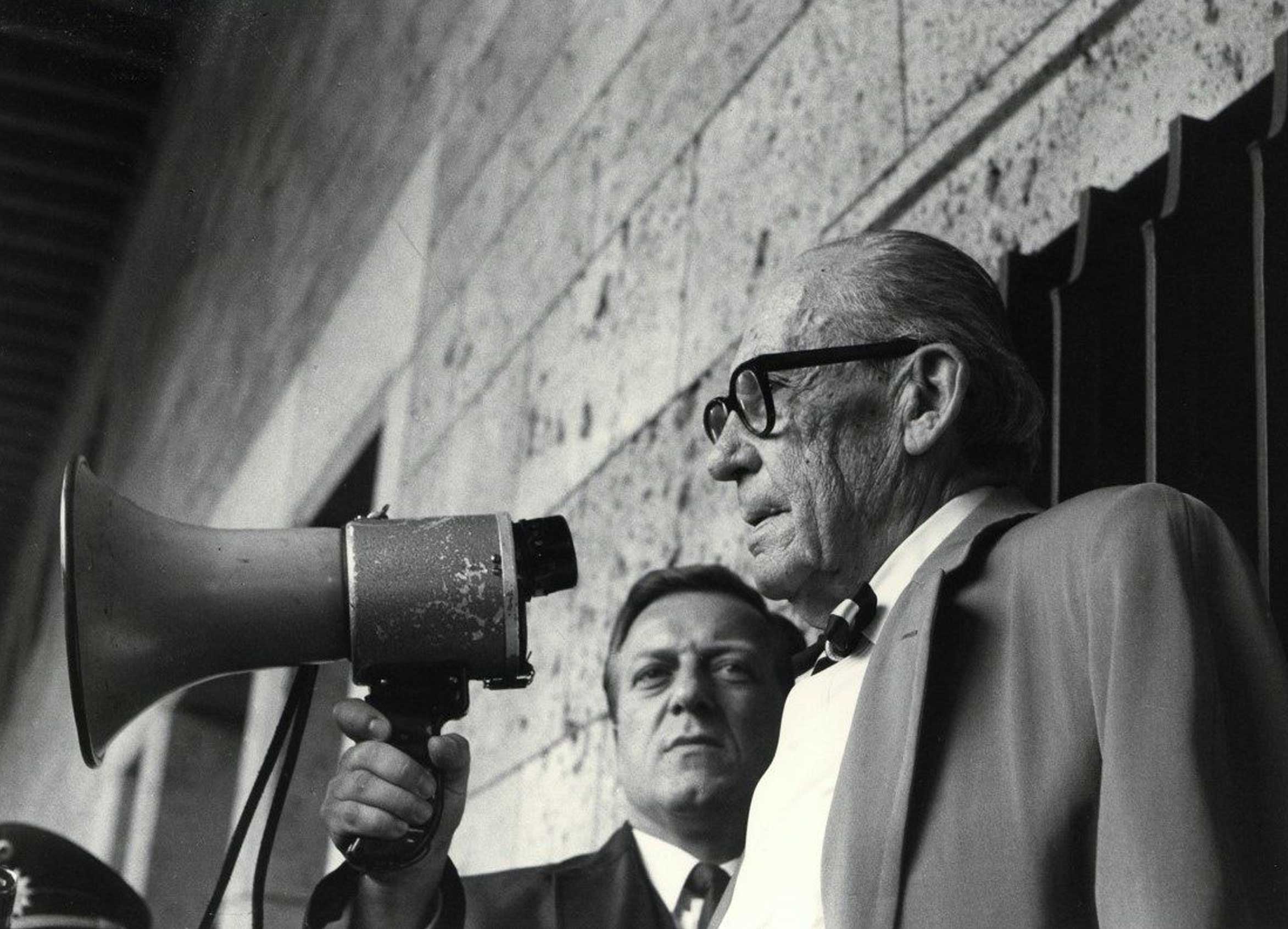
The Bauhaus was forced to close down in 1933 due to pressure from the Nazis. However, its ideas continued to spread all over the world along with the emigrating Bauhaus members – to the USA, Switzerland, Russia, Israel and many other countries.
-
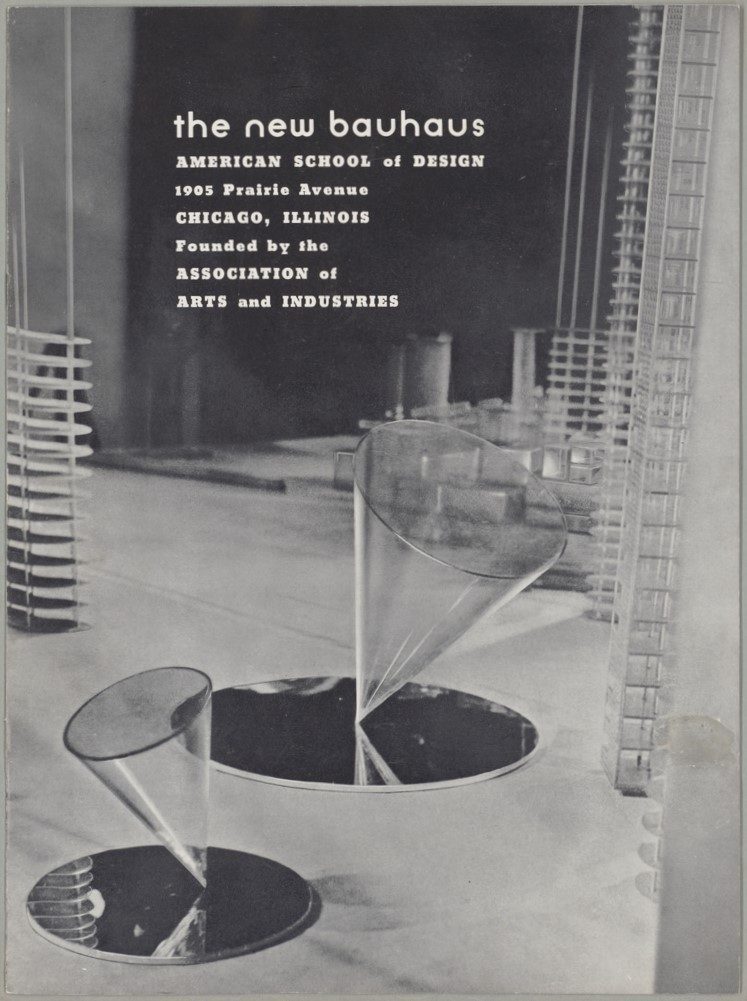
In the USA, Josef Albers became a respected art teacher at Black Mountain College (Asheville, North Carolina), which at times regarded itself as a successor to the Bauhaus. In 1937, László Moholy-Nagy founded the New Bauhaus in Chicago, which took up the educational programme developed in Weimar and Dessau by Walter Gropius and developed it further. Photography now played a more important part than it had earlier. The methodology of the New Bauhaus was adopted and modified by many other American colleges. This played a role in pushing back the Beaux Arts tradition that had predominated in the USA up to that time. In addition, the emigré former Bauhaus Directors Walter Gropius, Professor at the Graduate School of Design at Harvard University, and Ludwig Mies van der Rohe, Director of the Department of Architecture at the Armour Institute in Chicago, contributed to the further spread of Bauhaus thought in their work and teaching.
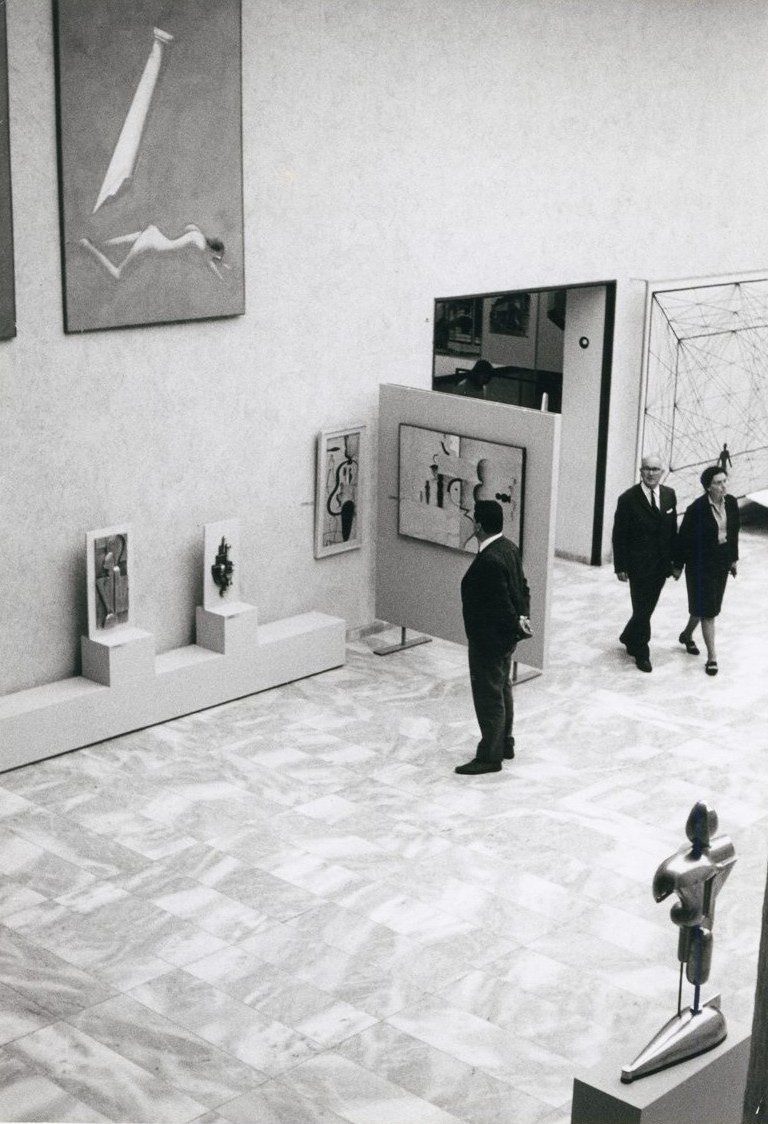
In West Germany, the Bauhaus idea of linking the arts and crafts was initially continued after the Second World War at crafts colleges such as those in Krefeld, Cologne and Kassel. From 1955, the College of Design in Ulm arrived on the scene with a claim to be working in the spirit of the Bauhaus. The goal was ‘to improve the quality, form and usefulness of consumer goods that are manufactured in Germany’. Although the college later tried to distance itself from the Bauhaus model by developing contours of its own, its beginnings under its first Rector, former Bauhaus student Max Bill, were clearly marked by the Bauhaus. The college in Ulm became the internationally most important college of design after the Bauhaus, and its products represented German design for many decades.
-
In East Germany, an initial attempt to revive the Bauhaus in Dessau failed one year after the end of the war. The college was politically unwelcome in the early period of the GDR, and a rapprochement with it only took place in 1976 with the reconstruction of the Dessau Bauhaus building in accordance with its historic monument status. A start was made on establishing a historical collection on the Bauhaus, and the Bauhaus theatre was revived. Ten years later, the GDR celebrated the reopening of the Bauhaus as a ‘Centre for Design’, under the aegis of the East German Construction Ministry. The fall of Communism in 1989 ended this chapter of the Bauhaus’s history.
Some elements of the Bauhaus teaching method – particularly the preliminary course – are still being used at college level. The Bauhaus’s influence continues to be seen above all in its fundamental ideas and methods, even more than in specific forms and products.
Bauhaus Insights
-
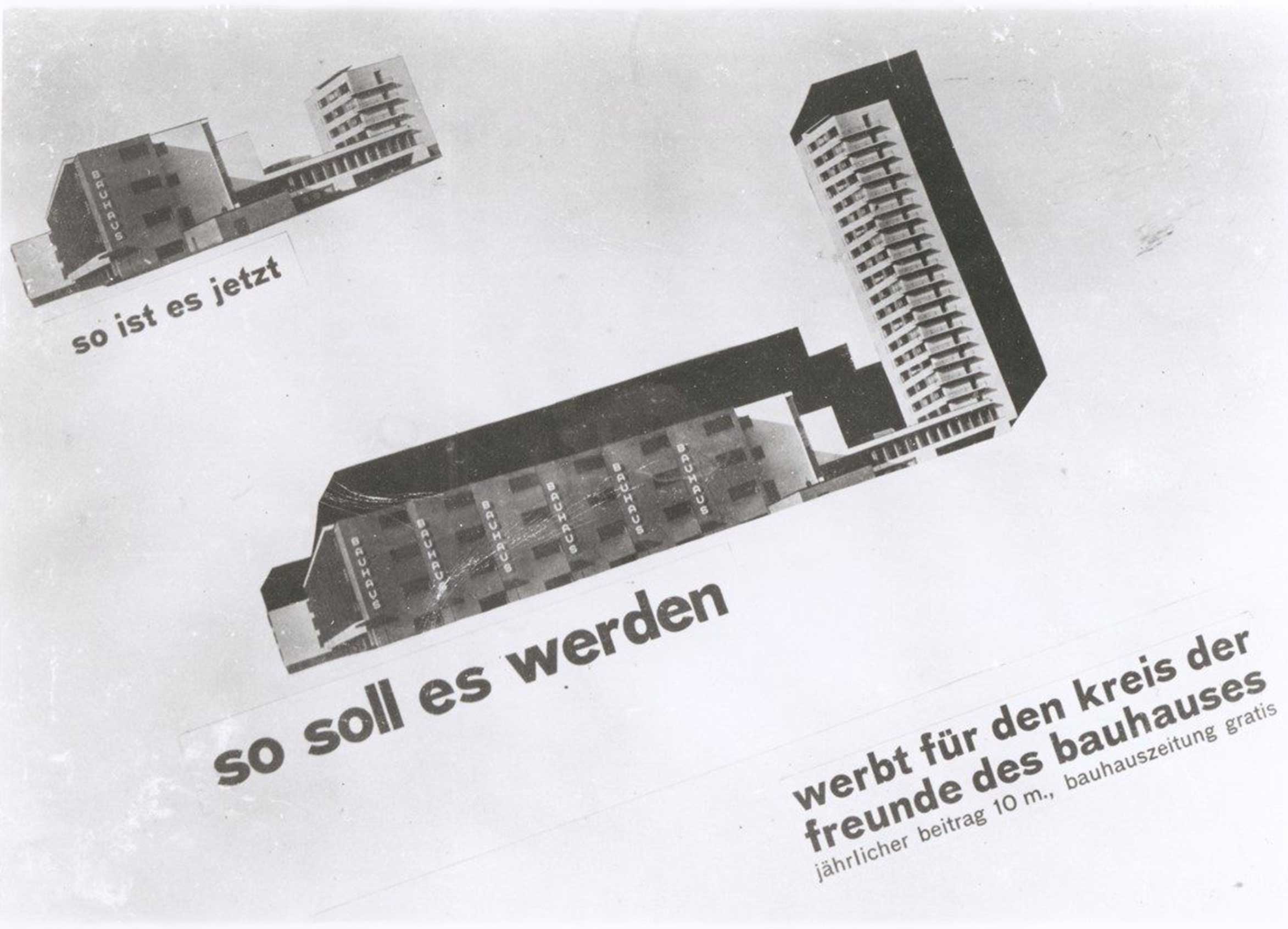
14 Years of Bauhaus: A Chronology From Its Founding in 1919 to Its Closure in 1933
Bauhaus Insights -
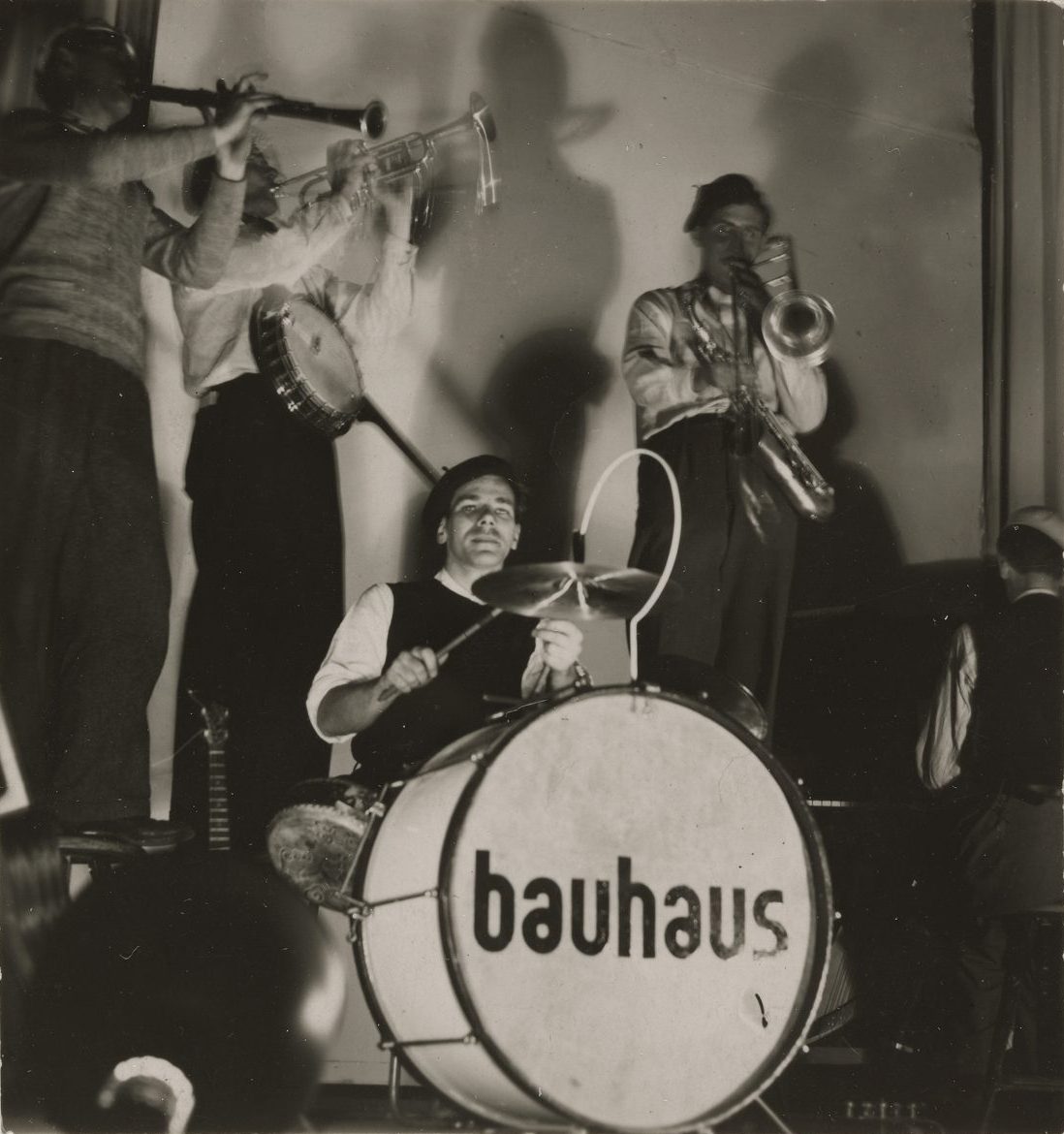
Work, Fun and Community: The Bauhaus Was a Place of Learning – But Also a Way of Life.
Bauhaus Insights -
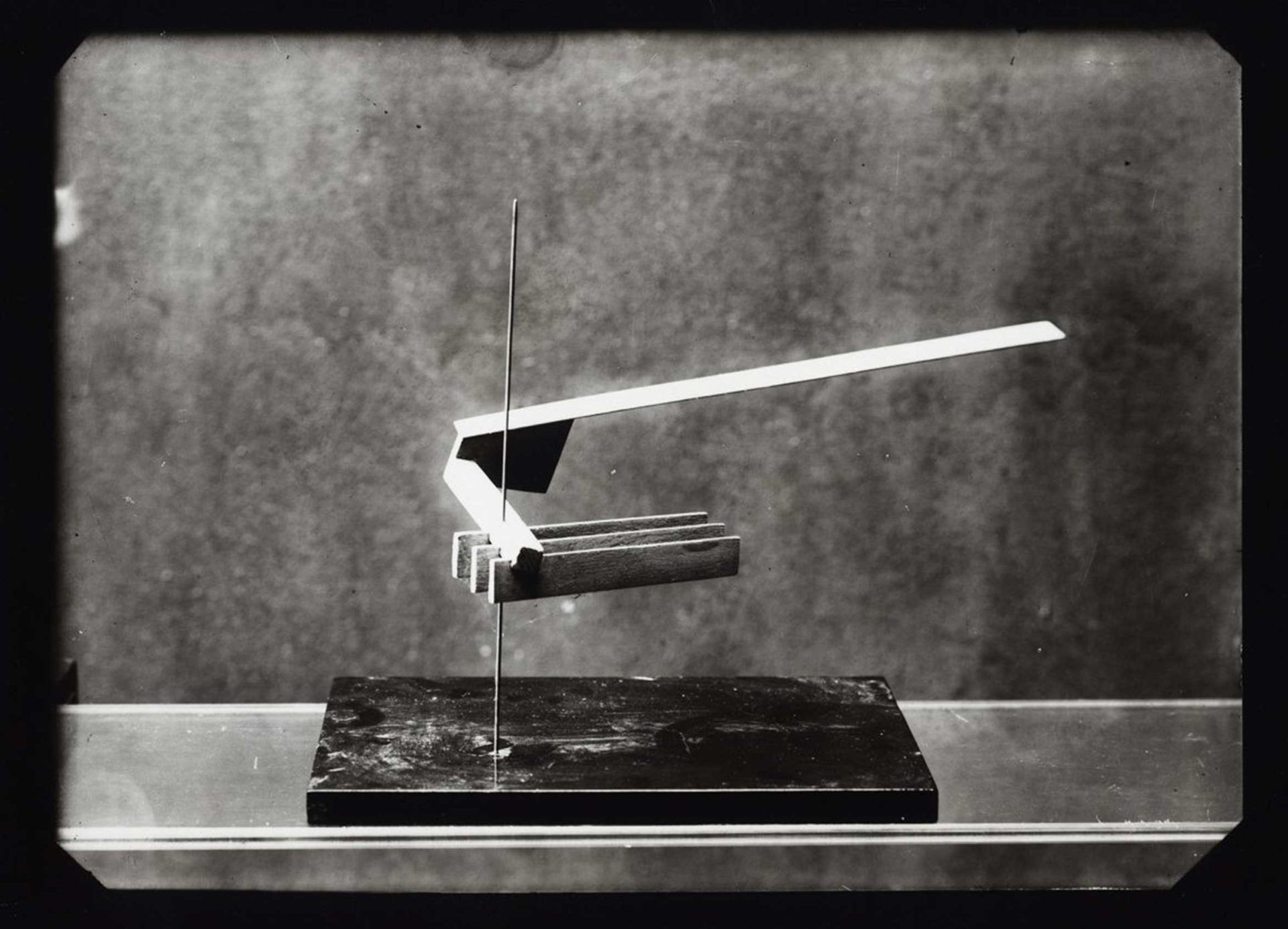
Preliminary Course, Workshops and Bauhaus Diploma: What Made Training at the Bauhaus So Special?
Bauhaus Insights -
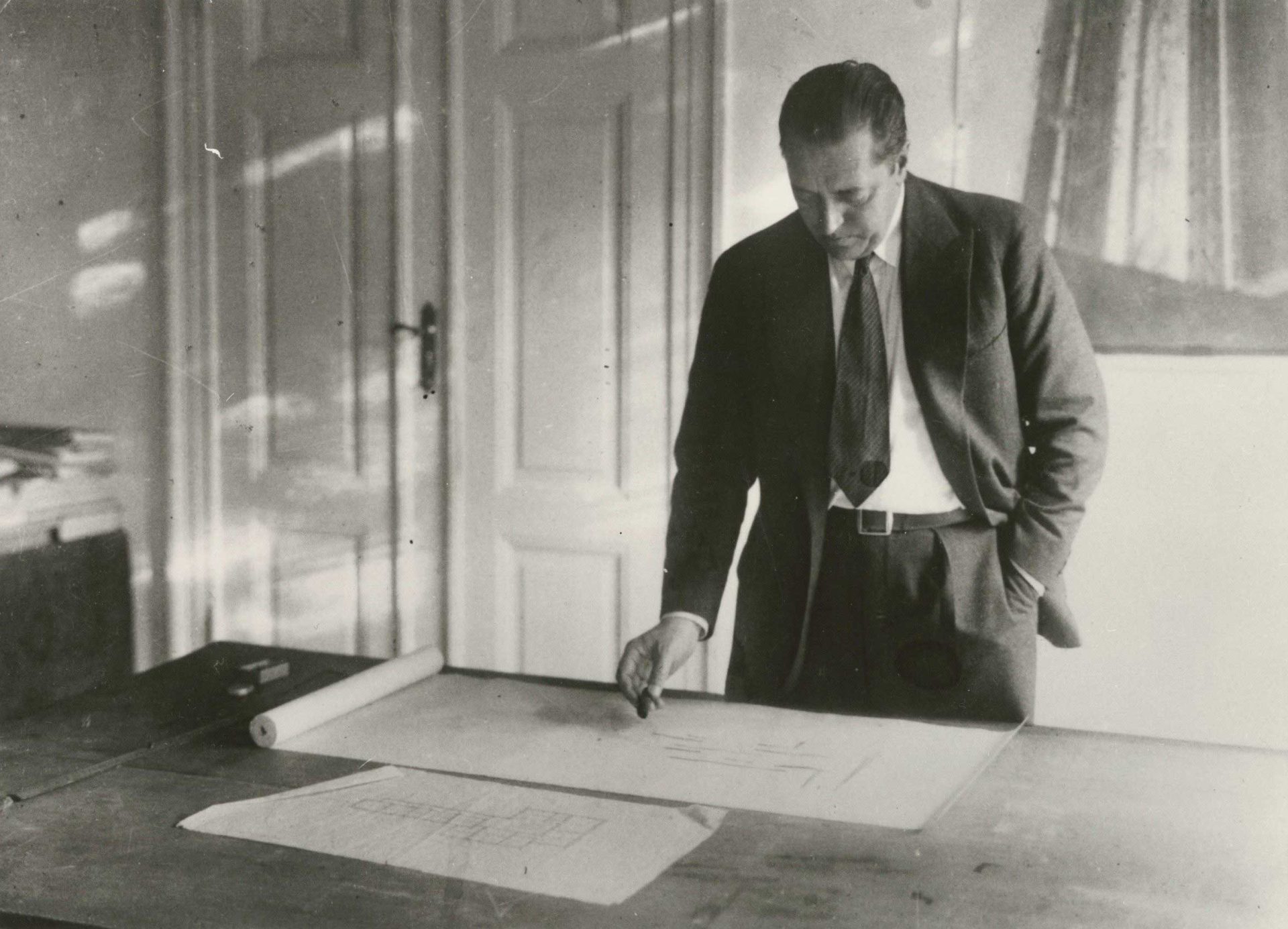
The Bauhaus: The Idea Behind the School and Its Educational Programme
Bauhaus Insights